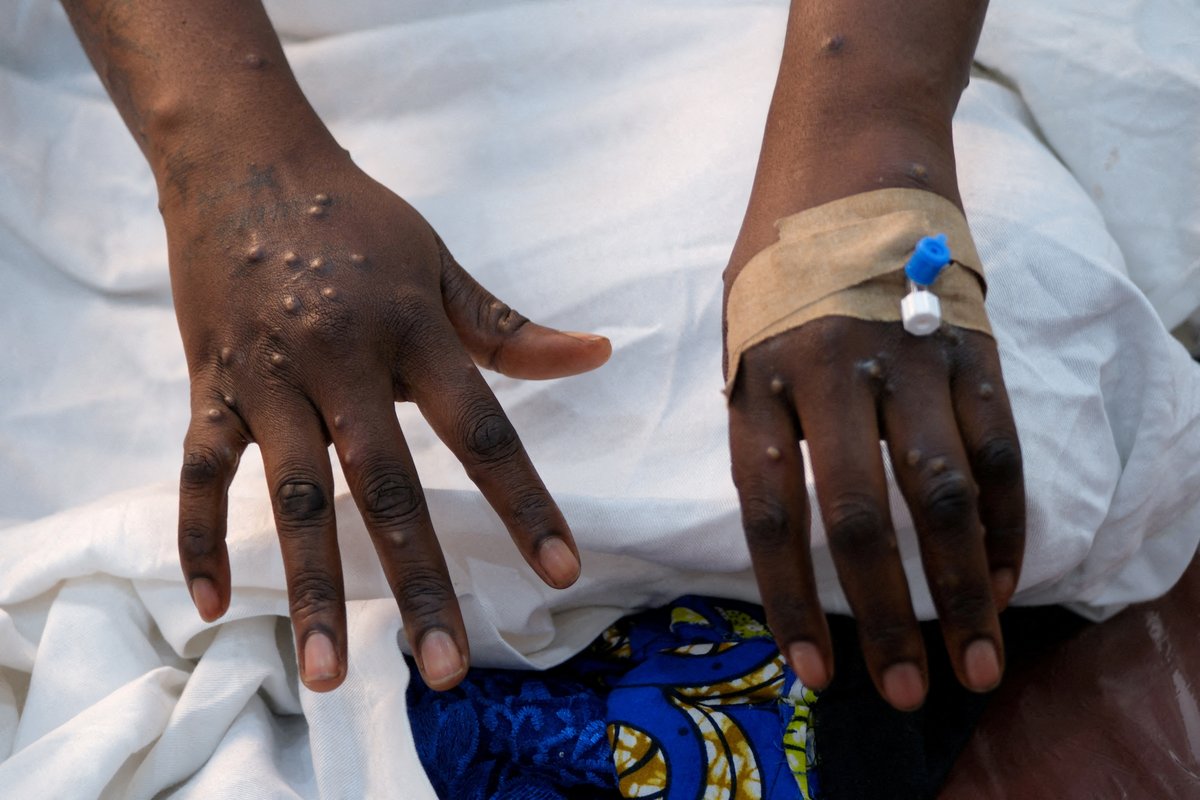
In recent months, health headlines across East Africa and here in Ethiopia have focused on Marburg Virus Disease (MVD). Following the first-ever confirmed cases in our country—specifically in the South Ethiopia Regional State and right here in the Sidama region (Hawassa)—it is more important than ever to stay informed, not panicked.
At Abem Hospital, your health and safety are our priority. This guide explains what the virus is, how it spreads, and the steps you can take to protect your family.
What is Marburg Virus?
Marburg virus is a rare but severe viral hemorrhagic fever, belonging to the same family as the Ebola virus. It is a zoonotic disease, meaning it is transmitted to humans from animals—specifically the Egyptian Rousette fruit bat, which is common in many parts of Ethiopia.
How Does it Spread?
Understanding how Marburg spreads is the first step in prevention:
- From Animals to Humans: Usually through contact with bat colonies in caves or mines.
- Human-to-Human: Once a person is infected, they can spread the virus to others through direct contact (broken skin or mucous membranes) with:
- Bodily Fluids: Blood, saliva, vomit, urine, or sweat.
- Contaminated Surfaces: Bedding, clothing, or medical equipment used by an infected person.
- Traditional Burials: Touching the body of someone who died from the virus is a high-risk activity.
Recognizing the Symptoms
Symptoms typically appear 2 to 21 days after exposure. The illness often starts very suddenly with:
- High fever and severe headache.
- Extreme tiredness and muscle aches.
- Severe watery diarrhea and abdominal pain (usually starting around the third day).
- Warning Signs: In severe cases, patients may experience unexplained bleeding (from the nose, gums, or in stool) and confusion.
How to Protect Yourself and Your Family
While Marburg is serious, it can be contained through collective action and hygiene.
- Avoid Bat Habitats: Stay away from caves or mines where fruit bats live. If your work requires you to enter these areas, always wear protective gloves and masks.
- Practice Strict Hygiene: Wash your hands frequently with soap and water or use alcohol-based hand sanitizers.
- Safe Burial Practices: In the event of a suspected case, do not touch the deceased. Contact health authorities to ensure a safe and dignified burial that prevents further community spread.
- Cook Meat Thoroughly: Ensure all animal products are well-cooked before consumption.
- Avoid Close Contact: If someone is showing symptoms of high fever and bleeding, avoid physical contact and encourage them to seek medical help immediately.
When to Visit Abem Hospital
If you or a loved one develops a sudden high fever, especially if you have recently traveled to areas with known cases (such as Jinka or South Omo) or had contact with bats, seek medical advice immediately.
Important Note: Before coming to the hospital, if you suspect Marburg, please call ahead or notify our staff immediately upon arrival so we can take the necessary precautions to keep you and our other patients safe.
Stay Vigilant, Stay Healthy.
For more information or to book a consultation, visit us at our facility in Hawassa or contact us via our website at abemhospital.com.